Funny Just a Teacher Goose: A Designer's Review
As an embroidery digitizer and product reviewer, I have stitched out thousands of designs ranging from complex corporate logos to whimsical nursery motifs. When evaluating a new machine embroidery design for my own commercial projects or personal gifts, I look beyond the digital preview. I need to know how the file behaves under the needle, how it interacts with different fabrics, and whether the final finished product will actually sell or delight the recipient. The "Funny Just a Teacher Goose" design caught my eye recently as a potential candidate for back-to-school merchandise, and after putting this embroidery file through its paces, here is my honest assessment for fellow makers and shop owners.
First Impressions and Visual Personality
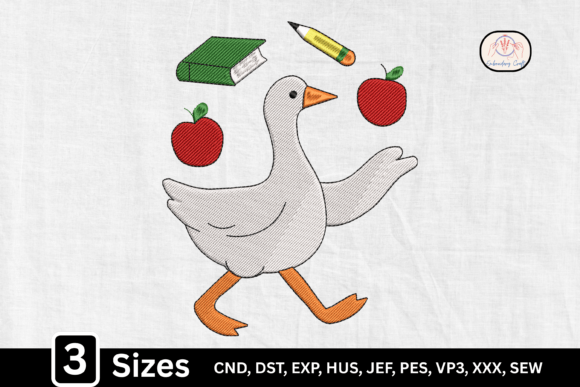
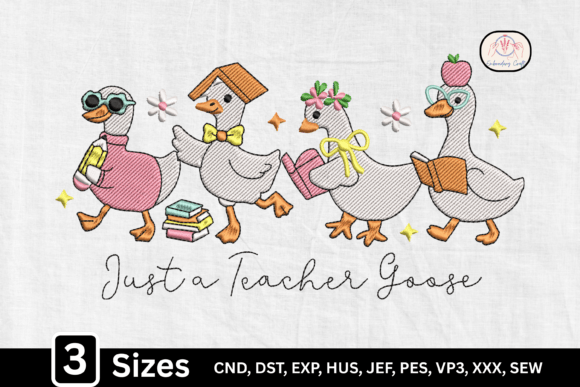
Upon loading the digital embroidery file into my software, the first thing that stands out is the balance between humor and clarity. Teacher-themed designs can sometimes feel cluttered with apples, books, and pencils, but this goose concept relies on character expression and clean lines. The mood is lighthearted yet professional enough for adult apparel. For an Etsy seller or craft business owner, this visual personality is crucial. It signals to the buyer that the item is fun without being juvenile.
The layout suggests a versatile placement strategy. Unlike rigid rectangular designs that only work in specific areas, the organic shape of the goose allows for flexible positioning on a sweatshirt embroidery project or centered on a tote bag design. The digitizing appears to prioritize stitch flow, which is essential for maintaining the comedic timing of the expression. If the eyes or beak are misaligned by even a millimeter during production, the humor is lost. Fortunately, the registration points in this design seem robust, ensuring the personality shines through in the physical stitch-out.
Real-World Application: The Custom Sweatshirt Test
To truly evaluate this design, I moved past the screen and set up a real-life scenario. My goal was to create a sample crewneck sweatshirt for a teacher appreciation pop-up shop. This is a common use case for custom apparel, and it tests the design’s durability and aesthetic appeal on knit fabrics.
I chose a mid-weight cotton fleece in sage green. Knit fabrics are notorious for shifting, so proper stabilization was non-negotiable. I used a medium-weight cut-away stabilizer to support the stitch density without making the garment stiff. As the machine ran, I observed the transition between the outline and the fill areas. A good embroidery project should not pucker the fabric, especially around detailed curves like the goose’s neck and wings. The design performed well here; the underlay provided sufficient foundation, preventing the stitches from sinking into the fleece texture.
For the text element, legibility is paramount. In school spirit wear, customers need to read the joke from a distance. The lettering in this design utilizes a balanced column width that remains crisp even after washing. I paired the design with a contrasting cream thread for the body and a deep charcoal for the text to maximize readability against the green background. The result was a handmade product that looked boutique-quality rather than homemade, which directly impacts perceived value and customer trust.
Fabric Compatibility and Technical Considerations
While the sweatshirt test was successful, every embroidery designer knows that one fabric does not fit all. Here is how I anticipate this design performing across other popular mediums:
- Tote Bags and Canvas: This is likely the safest application. The stable weave of canvas handles higher stitch density beautifully. If you are creating a personalized gift for a teacher carrying heavy books, ensure your hoop tension is tight to prevent flagging.
- Baby Embroidery and Onesies: Proceed with caution. If adapting this for infant wear, check the physical size. Large, dense designs can make baby clothes uncomfortable and stiff. You may need to resize or reduce density if using this as baby embroidery, though the theme is inherently more suited for adult or teen wear.
- Caps and Curved Surfaces: The vertical height of a standing goose can be tricky on a curved cap brim. Distortion is a risk. I recommend testing on a scrap cap first or sticking to flat-brim trucker hats where the design has more surface area to anchor properly.
- Tea Towels and Linens: Lightweight fabrics require a tear-away stabilizer and potentially a water-soluble topping to keep the details sharp. The running stitches defining the feathers must be distinct; otherwise, they disappear into the linen weave.
Commercial Viability for Small Business Owners
For those running a small shop product line or selling on Etsy, time is money. This design offers excellent commercial viability because of its broad appeal within the education niche. However, success depends on presentation. Before listing any commercial embroidery items, create high-quality mockups. Because the design has such distinct character, it photographs well. Use natural lighting to show the texture of the threads; flat, digital-only listings often fail to convey the quality of the stitching.
Consider the licensing terms carefully. Always verify whether your purchase includes rights for selling finished goods versus selling the design assets themselves. Most designers allow for finished product sales but prohibit sharing the raw file. Respecting these terms protects the integrity of the craft business community and ensures you are operating legally. Additionally, think about bundling. This goose design pairs naturally with simple monograms or name scripts, allowing you to offer tiered pricing for personalized options.
Practical Notes for Makers and Designers
Based on my review, here are actionable takeaways for anyone planning to use the Funny Just a Teacher Goose design:
- Always Test Stitch: Never run a production batch without a test on the exact fabric and stabilizer combination you intend to use. Thread tension varies by machine, and what looks perfect digitally might need adjustment physically.
- Check Hoop Size Requirements: Verify the dimensions before purchasing. Ensure the design fits comfortably within your machine’s maximum embroidery area with adequate margin for the hoop grip. Crowding the hoop leads to registration errors.
- Thread Color Contrast: Humor relies on visibility. Avoid tone-on-tone threading unless intentional. High contrast between the goose and the text ensures the "funny" aspect lands effectively.
- Wash Testing: If selling custom apparel, wash your sample at least once. Check for thread shrinkage or fabric distortion. Customers expect holiday embroidery and school gear to last through the season.
- Mockup Accuracy: When creating a printable mockup for social media, ensure the digital representation matches the actual stitch texture. Misleading previews lead to returns and negative reviews.
Final Verdict on Design Utility
The Funny Just a Teacher Goose design earns a strong recommendation for apparel decorators and gift makers targeting the education sector. It strikes a difficult balance: it is trendy without being fleeting, and detailed without being overly dense. Whether you are stitching a holiday gift for a favorite educator or stocking your online store with back-to-school inventory, this file provides a solid foundation for a professional result.
Success in embroidery comes down to matching the right design to the right substrate and executing with technical precision. This design gives you the creative spark; your attention to stabilizer choice, thread selection, and hooping technique will bring it to life. By treating this file as a component of a larger manufacturing process rather than just a cute picture, you elevate your work from hobbyist to professional maker. Happy stitching, and may your bobbins always be full.