Daisy Floral Pencil Teacher: A Designer's Review
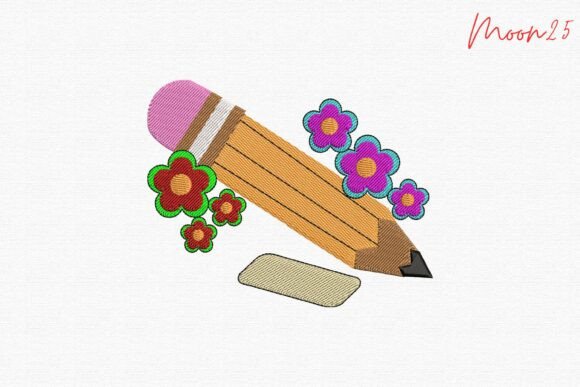
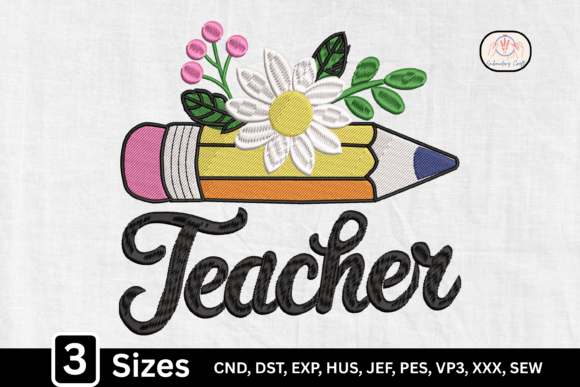
As an embroidery digitizer and product reviewer, I have stitched out thousands of school-themed designs. When evaluating the Daisy Floral Pencil Teacher machine embroidery design, my primary focus is not just on how the digital file looks on a screen, but how it translates to thread on fabric. This specific design merges two distinct visual languages: the structured, linear geometry of a pencil and the organic, flowing curves of daisy florals. For small business owners, Etsy sellers, and apparel decorators preparing for the back-to-school rush, understanding the technical behavior of this hybrid aesthetic is crucial for producing a high-quality finished product.
First Impressions and Visual Balance
Upon opening the embroidery file, the immediate strength of the Daisy Floral Pencil Teacher design is its silhouette. The pencil shape provides a necessary vertical anchor, which prevents the floral elements from looking like a generic border. In commercial embroidery, structure sells. Customers recognize the pencil icon instantly as "teacher" or "school," while the daisies soften the image, making it appropriate for personalized gifts rather than just institutional uniforms. The mood strikes a balance between professional appreciation and handmade warmth. However, as a designer, I am immediately checking the transition points where the rigid satin stitch of the pencil meets the fill stitch or running stitch of the petals. These junctions are where registration issues often occur, so verifying the underlay in your software before stitching is a mandatory first step.
Real-World Application: Stitching a Teacher Tote Bag
To truly evaluate this design, I approached it with a specific project in mind: a custom embroidered tote bag intended as an end-of-year teacher gift. Tote bags present unique challenges because canvas fabric has a coarse texture that can swallow fine details. I selected a mid-weight cotton canvas and used a tear-away stabilizer with a light spray adhesive to prevent shifting.
During the stitch-out, the Daisy Floral Pencil Teacher design performed well regarding coverage. The pencil body likely utilizes a satin stitch or a textured fill, which sat cleanly on top of the canvas weave. The daisy elements, depending on the specific digitizing style, required careful attention to tension. If the petals are outlined with a running stitch, I found that using a slightly heavier thread weight (like 30wt) helped the outline stand out against the fabric texture without breaking. For those creating sweatshirt embroidery or custom apparel, this design scales effectively, but for tote bags, maintaining the original aspect ratio is vital to keep the pencil from looking distorted. The final result was a crisp, legible motif that felt substantial and durable—exactly what a customer expects when purchasing a handmade product for daily use.
Fabric Considerations and Technical Limitations
While versatile, the Daisy Floral Pencil Teacher design requires strategic fabric selection. Not all textiles will support this level of detail equally.
- Stretchy Knits and Sweatshirts: If you are applying this to a t-shirt or hoodie, you must use a cut-away stabilizer. The combination of dense pencil shading and floral outlines creates variable pull. Without adequate stabilization, the fabric will pucker around the design perimeter after washing.
- Textured Fabrics: On terry cloth towels or fleece blankets, the finer details of the daisy centers may get lost. Consider placing a water-soluble topping over the fabric before hooping to push the pile down and allow the stitches to sit on the surface.
- Dark Fabrics: This design relies heavily on contrast. If stitching on navy or black garments, ensure your thread colors are vibrant enough to pop. White or cream daisies on dark fabric look stunning, but require sufficient underlay to prevent the dark fabric color from bleeding through the white thread.
- Caps and Curved Surfaces: Be cautious when resizing this design for caps. The vertical nature of a pencil can be difficult to center on a curved brim or front panel. Always test the placement on a scrap cap first to ensure the floral elements do not wrap awkwardly around the seam.
Commercial Viability for Makers and Sellers
For Etsy sellers and craft business owners, the Daisy Floral Pencil Teacher design offers strong commercial potential because it targets a specific emotional niche. It is not merely a "school" graphic; it is a celebration of the individual educator. When listing finished products, this design works exceptionally well for personalized gifts. Adding a teacher’s name beneath the pencil in a complementary font transforms the embroidery file into a bespoke item, significantly increasing perceived value.
From a branding perspective, this design maintains professionalism while feeling approachable. It avoids the cartoonish aesthetic that some school designs suffer from, making it suitable for boutique merchandise and higher-end custom apparel. However, if you are selling digital embroidery files or printable mockups, ensure you display the design on realistic fabric textures. Buyers need to see how the stitch density interacts with material grain. A flat digital preview does not convey the tactile quality of the floral pencil motif. Always confirm your licensing rights before offering this as part of a bundle or using it for mass-produced commercial embroidery items.
Essential Pre-Stitch Checklist for Designers
Before committing this design to a final project or client order, run through this practical evaluation process to ensure success:
- Verify Hoop Size Compatibility: Check the dimensions of the Daisy Floral Pencil Teacher file against your available hoops. Resizing beyond 10-15% can compromise stitch integrity, especially in the floral details.
- Audit Stitch Density: Open the file in your editing software. Look for areas where the pencil shading overlaps with flower stems. Excessive density here can cause needle breaks or stiff fabric. Reduce density slightly if stitching on lightweight baby clothes or thin cotton.
- Test Thread Contrast: Stitch a sample on both light and dark scraps. Ensure the daisy definition remains clear in low-light conditions, as many school events happen indoors.
- Check Small Details: Inspect the smallest elements of the design. If there are tiny leaves or stamen details under 2mm, they may need to be simplified or removed for production runs on textured fabrics to prevent thread nests.
- Validate Washability: If the end use involves frequent laundering (like aprons or baby items), perform a wash test on your sample. Ensure the satin stitches do not fray and the fill stitches do not separate from the fabric base.
Final Thoughts on Design Integrity
The Daisy Floral Pencil Teacher embroidery design succeeds because it respects the medium. It understands that embroidery is sculptural, not just graphical. The interplay between the man-made pencil form and natural floral elements creates a dynamic visual rhythm that engages the viewer. For makers, this means the design carries its own weight on a garment without needing excessive embellishment. Whether you are creating a single personalized gift for a favorite educator or launching a full back-to-school collection for your shop, treating this design with technical respect will yield results that build customer trust and showcase your craftsmanship. Always remember that the best embroidery projects start with understanding the relationship between the digital file and the physical fabric.