Chemistry Back to School: A Design Review for Merch
As an embroidery designer who specializes in commercial branding and small business merchandise, I approach every new digital asset with a critical eye. When evaluating the Chemistry Back to School machine embroidery design, my primary focus is not just on its aesthetic appeal for classroom settings, but on its viability as a versatile branding element for cafes, boutiques, creative studios, and handmade shops. This review analyzes how this specific laboratory beaker motif translates from a screen to a tangible, profitable product in a real-world business environment.
Visual Personality and First Impressions
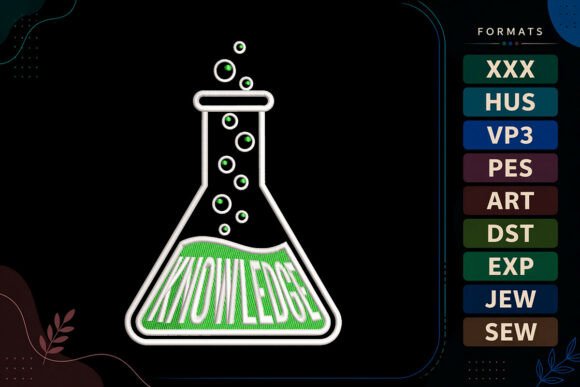
The immediate impression of Chemistry Back to School is one of intellectual playfulness balanced with structured clarity. Featuring a laboratory beaker filled with bubbling liquid and the word “KNOWLEDGE,” the design communicates curiosity and expertise without feeling overly academic or stiff. For a small business owner, this visual tone is incredibly valuable. It strikes a balance between professional and approachable, making it suitable for businesses that want to project intelligence and creativity.
From a digitizing perspective, the combination of a solid vessel shape with fluid bubble details suggests a dynamic stitch density map. The text element provides a necessary anchor, ensuring the design reads clearly even at smaller sizes. Unlike purely decorative floral or abstract patterns, this iconography carries inherent semantic weight. It tells a customer immediately that the brand values learning, precision, or perhaps a "mad scientist" approach to crafting products. This instant recognition is crucial for brand identity in crowded markets like Etsy or local craft fairs.
Commercial Applications Beyond the Classroom
While categorized under Back To School, this embroidery file has significant crossover potential for diverse industries. In my experience outfitting small businesses, I see three distinct high-value applications for this design.
Cafe and Bakery Branding
For coffee shops or bakeries that emphasize the science of fermentation, roasting, or baking chemistry, this design serves as an excellent apron embroidery option. Placed on the chest pocket area or centered on a bib apron, it reinforces the artisanal, technical skill behind the food. The bubbling flask can metaphorically represent rising dough, brewing espresso, or mixing batters. Using this design on staff uniforms creates a cohesive team look that feels custom rather than generic.
Creative Studios and Maker Spaces
Art supply stores, pottery studios, and dye workshops can utilize Chemistry Back to School as a sleeve detail on work shirts or as a primary logo on tote bags. The concept of "knowledge" aligns perfectly with educational workshops or maker communities. As a tote bag design, it acts as a walking advertisement for the studio’s philosophy. The bold lines of the beaker typically hold up well on canvas fabrics, ensuring the brand remains visible during daily use by customers.
Retail Merchandise and Patches
For businesses selling branded goods, converting this design into an embroidered patch is a strategic move. Patches allow for higher stitch counts and finer detail than direct-to-garment embroidery because they are created on stable twill backing. A patch featuring this flask can be sold as standalone merchandise or applied to caps, beanies, and denim jackets. This flexibility maximizes the ROI of a single digital embroidery file.
Technical Considerations for Production
Despite its versatility, Chemistry Back to School requires careful technical evaluation before mass production. As with any commercial embroidery project, assuming a file will run perfectly on every substrate is a costly mistake.
- Small Text Legibility: The word “KNOWLEDGE” is central to the design's message. If you intend to use this as a small chest logo or cap front, you must verify the minimum text height. If the letters are too small for your needle size or fabric texture, consider removing the text and using only the flask icon for those specific applications.
- Stitch Density Management: The bubbling liquid effect likely involves varying fill stitches or satin outlines. On stretchy fabrics like performance polos or thin cotton tees, high-density areas can cause puckering. Always test with the appropriate stabilizer. For knits, a cut-away stabilizer is usually mandatory to support the design structure.
- Cap Embroidery Challenges: If adapting this for cap embroidery, ensure the design has been digitized specifically for curved surfaces. Standard flat files often distort when sewn onto the rigid buckram of a hat. You may need to adjust the pull compensation or center-out sequencing to prevent registration errors between the beaker outline and the internal bubbles.
- Fabric Texture Interaction: Highly textured fabrics like terry cloth or fleece can swallow fine details. If applying this design to towels or heavy hoodies, consider adding an underlay foundation or slightly increasing the column width of the outlines to ensure the flask pops against the nap of the fabric.
Strengthening Brand Value Through Design
Using a thematic design like Chemistry Back to School does more than decorate a garment; it elevates the perceived value of the finished product. Customers associate detailed, intentional embroidery with quality. When a handmade soap maker uses this flask design on their packaging or market booth banner, it signals that their formulation process is deliberate and educated. This builds trust.
Furthermore, consistency across design assets strengthens memory. If you use this flask on your website header, business cards, and embroidered merchandise, you create a unified visual language. For Etsy sellers, including a printable mockup of the embroidered item in your listing photos helps buyers visualize the premium nature of the customization, directly influencing conversion rates.
Designer Notes for Successful Implementation
Before loading this machine embroidery design into your production queue, follow this practical checklist to ensure professional results:
- Verify Licensing: Confirm that the embroidery file includes commercial usage rights for merchandise. Personal licenses do not cover selling branded apparel or patches.
- Run a Black and White Test: Print a line drawing of the design or sew it in a single color first. This reveals whether the shapes rely entirely on color contrast or if the structural integrity stands alone. Good custom apparel design should be recognizable even in monochrome.
- Check Hoop Size Compatibility: Measure the actual dimensions of the design against your available hoops. Avoid re-hooping for multi-position designs unless absolutely necessary, as alignment issues can ruin expensive blanks.
- Thread Color Contrast: Select thread colors that offer sufficient contrast against your chosen merchandise. A dark blue flask on a navy shirt will disappear. Use high-contrast threads for the “KNOWLEDGE” text to maintain readability.
- Create Client Mockups: Before stitching 50 aprons for a client, create a digital or physical sample. Lighting and fabric drape affect how the design looks in person versus on screen.
- Inspect Spacing and Trims: Review the file for excessive jump stitches or trims between the bubbles and the beaker. Excessive trimming slows down production time and increases thread waste. Optimize the pathing if your software allows.
Ultimately, Chemistry Back to School is a robust asset for the modern maker and merchant. By treating it as a flexible branding tool rather than just a seasonal decoration, you unlock its full potential for creating distinctive, high-value merchandise. Whether for a boutique label, a cafe uniform, or a creative workshop giveaway, this design offers the perfect blend of whimsy and professionalism that today’s consumers appreciate. Always prioritize testing and fabric compatibility to ensure your handmade product meets the highest standards of commercial embroidery excellence.