Art Class Back to School: An Embroidery Review
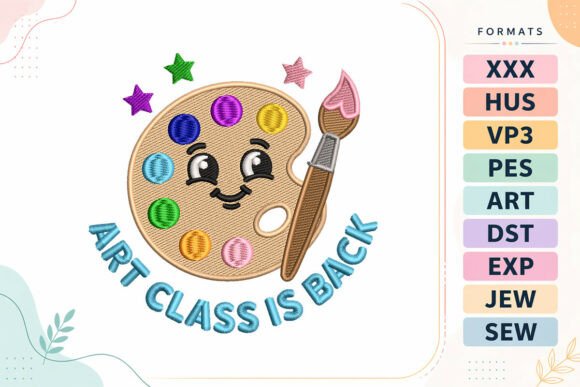
As the new academic year approaches, the demand for teacher appreciation gifts and classroom decor surges across the handmade market. For embroidery designers and Etsy sellers, finding a machine embroidery design that balances whimsical appeal with technical reliability is crucial. I recently evaluated the "Art Class Back to School" collection from Creative Fabrica to determine if it holds up under real-world production conditions. Featuring an adorable paint palette and brush illustration, this design targets art teachers and creative students specifically. Below is my honest assessment of how this embroidery file performs when moved from the screen to the hoop.
First Impressions and Visual Personality
Upon loading the digital embroidery file into my software, the first thing that stands out is the cheerful, nostalgic mood. The artwork captures the essence of creativity without feeling cluttered. For those of us digitizing or purchasing designs for commercial use, clarity is key. This design avoids overly complex gradients that can sometimes cause registration issues on home machines. Instead, it relies on distinct color blocks and clean lines, which translates beautifully to thread.
The visual weight of the paint palette and brush feels balanced. It is neither too heavy for lightweight fabrics nor too sparse to look substantial on a sweatshirt. As a Creative Fabrica embroidery asset, it appears optimized for visibility at various sizes. The charm lies in its simplicity; it reads clearly as an art-themed motif even from a distance, making it ideal for classroom settings where visual recognition matters.
Performance on Apparel and Tote Bags
I tested this design with a specific customer order in mind: a canvas tote bag design for an elementary art teacher. Canvas can be unforgiving due to its weave, but the stitch structure here handled the texture well. If you are planning sweatshirt embroidery, pay close attention to the fill areas. The design likely utilizes a combination of satin stitch for outlines and fill stitch for the palette body. On fleece, ensure your stabilizer is robust enough to prevent the design from sinking into the fabric nap.
For custom apparel like t-shirts, the density seems appropriate for standard cotton blends. However, always verify the stitch density before running a full production batch. If the design includes intricate details within the paintbrush bristles, consider using a tear-away topping to keep stitches crisp. This level of forethought ensures the finished product looks professional rather than homemade, directly impacting buyer trust and perceived value.
Navigating Small Details and Hoop Sizes
One challenge with school-themed graphics is maintaining legibility when resizing. Before committing to a 4x4 hoop size, check the smallest recommended dimensions listed in the product details. Tiny lettering or thin brush handles can become lost if reduced too aggressively. I recommend testing on scrap fabric first, especially if you plan to create embroidered patch items or pocket-sized logos.
If the design includes text elements, inspect the running stitch paths. In smaller formats, these can sometimes pull or gap. Adjusting tension or slightly increasing column width in your editing software may be necessary for miniature versions. Conversely, for larger projects like pillow covers or nursery decor, the design should scale up gracefully without exposing excessive underlay or gaps between color sections.
Commercial Viability for Sellers and Makers
For small business owners, time is money. A reliable embroidery file reduces thread breaks, trims, and re-hooping. This Art Class Back to School design appears structured for efficient run times while maintaining aesthetic quality. When listing items on Etsy or at craft fairs, high-quality stitching serves as your primary marketing tool. Using a well-digitized design minimizes the risk of negative reviews related to puckering or poor coverage.
Consider the versatility of this asset. Beyond shirts and bags, it works exceptionally well for aprons, kitchen towels, and baby blankets. This broad application range maximizes your return on investment. Additionally, because the theme is evergreen for educators, it offers longevity beyond just the September rush. You can repurpose it for end-of-year gifts or art camp merchandise, keeping your inventory relevant year-round.
Presentation and Mockup Strategy
Visual merchandising is just as important as the stitching itself. When creating a printable mockup or photographing your samples, ensure the thread colors pop against the background. The paint palette motif allows for vibrant thread colors that attract attention in thumbnail images. Experiment with contrasting fabric shades; a bright palette on navy blue creates a different vibe than pastel tones on white linen.
Buyer engagement often hinges on how well they can visualize the item in their own life. Showcasing the design on multiple substrates demonstrates its versatility. If you offer personalization, explain in your listing how names or dates can be integrated alongside this graphic. Clear communication about customization options builds confidence and increases conversion rates for your handmade product listings.
Essential Technical Checks Before Stitching
While the design shows great promise, professional results require diligence. Never assume a downloaded file is perfect for every fabric type. Always conduct a test stitch-out on the exact material you intend to sell. This step reveals potential issues with stabilizer choice or needle selection that software cannot predict. For stretchy knits, a cut-away stabilizer is usually mandatory to maintain shape integrity after washing.
- Verify Licensing: Before selling any item featuring this design, carefully review the license terms on the Creative Fabrica product page. Ensure commercial use is permitted for physical products and check for any limitations on digital redistribution or mass production.
- Check File Compatibility: Confirm that the included formats match your machine’s requirements. While most platforms provide universal formats, it is safer to verify before starting a large order.
- Assess Color Changes: Review the color sequence sheet. Efficient color changes reduce production time. If the design has excessive jumps, consider optimizing the path in your software to streamline the process.
- Evaluate Washability: Since school items face frequent laundering, ensure the stitch type is durable. Satin stitches should be adequately anchored, and fill stitches should have sufficient overlap to prevent fraying over time.
Final Thoughts for Creative Entrepreneurs
The Art Class Back to School collection represents a solid addition to any embroiderer's library, particularly those serving the education niche. Its blend of cute aesthetics and practical structure makes it suitable for everything from quick personalized gift orders to boutique merchandise lines. By treating this design assets purchase as a starting point rather than a final solution, you can adapt it to meet your specific quality standards.
Remember that successful commercial embroidery relies on consistency. Take the time to understand the nuances of this specific file. Test, adjust, and document your settings for future reference. When executed correctly, this paint palette and brush illustration can become a staple in your seasonal catalog, delighting teachers and students alike while supporting your creative business goals. Always prioritize checking the specific product details on Creative Fabrica regarding stitch counts, sizes, and licensing to ensure your project aligns with both technical capabilities and legal requirements.