Red Apple with Pi Embroidery: A Designer Review
As an embroidery designer preparing a limited capsule collection for a boutique brand, I approach every new digitized file with a critical eye. When evaluating the Red Apple with Pi Embroidery for our upcoming seasonal sweatshirt drop, my primary concern is not just the aesthetic appeal, but how the design translates from a digital screen to a textured garment. This specific machine embroidery design sits at the intersection of academic nostalgia and modern streetwear, making it a compelling candidate for educators, STEM enthusiasts, and fans of cozy, intellectual fashion. However, success in commercial embroidery relies on understanding how this motif interacts with heavy fabrics like fleece and French terry.
First Impressions and Design Personality
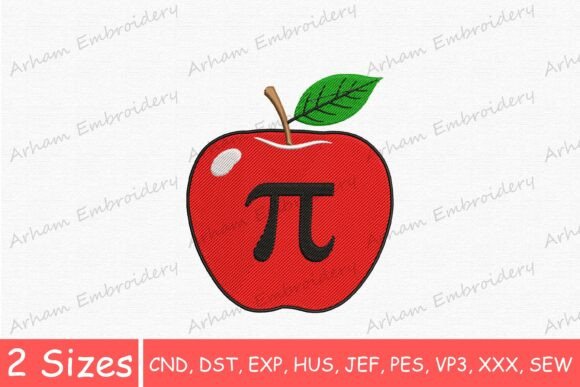
Upon loading the embroidery file, the immediate impression is one of balanced whimsy. The combination of a classic red apple with the mathematical Pi symbol creates a visual narrative that is instantly recognizable yet distinct from generic school supplies. For a boutique brand, this specificity is gold. It avoids looking like mass-produced merchandise and instead feels like a curated piece of wearable art. The mood strikes a careful balance; it is playful enough for a casual hoodie design but structured enough to maintain a premium feel on higher-end apparel.
The layout suggests a versatile placement strategy. Unlike overly complex illustrations that demand center-chest dominance, the Red Apple with Pi Embroidery appears compact enough for left-chest placement on oversized hoodies or as a bold back print on crewneck sweatshirts. This flexibility is crucial for Etsy sellers and small shop products where offering multiple style options from a single digital embroidery file maximizes return on investment. The design assets here communicate intelligence and warmth simultaneously, which is essential for building buyer trust in the handmade education niche.
Performance on Sweatshirts and Heavy Fabrics
Sweatshirt embroidery presents unique challenges that lighter fabrics do not. The pile of fleece and the thickness of terry cloth can swallow fine details. When reviewing this design for our collection, I am specifically looking at how the stitch paths handle fabric texture. A successful sweatshirt embroidery project requires adequate underlay to prevent the design from sinking into the material. If the Red Apple with Pi Embroidery utilizes proper density compensation, the Pi symbol should remain crisp and legible even on high-pile fabrics.
For our boutique line, we are testing this design across three distinct colorways:
- Oatmeal and Sand Tones: These neutral bases allow the red thread colors to pop vibrantly, creating a rustic, vintage academic aesthetic that photographs beautifully for lifestyle product photography.
- Deep Navy and Charcoal: Dark fabrics require careful consideration of contrast. The red apple provides excellent visibility, but the Pi symbol may need a white or cream outline to ensure it doesn't get lost against the dark background.
- Pastel Sage and Dusty Rose: For a softer, feminine approach to STEM apparel, these backgrounds mute the intensity of the red, resulting in a more subtle, decorative finish suitable for spring collections.
In each scenario, the design must maintain its structural integrity. Heavy fabrics also demand appropriate stabilizer choices. For this project, I would recommend a medium-weight cutaway stabilizer to support the stitch density without causing puckering around the curved edges of the apple. Always verify the recommended hoop size and stabilizer type included with your specific file before beginning production, as these variables dictate the final quality of the custom apparel.
Thread Color Strategy and Visual Hierarchy
The emotional impact of the Red Apple with Pi Embroidery relies heavily on thread selection. While the title specifies "Red," the shade of red matters immensely in commercial embroidery. A bright cherry red reads as youthful and energetic, perfect for back-to-school promotions. Conversely, a brick or burgundy red elevates the design, making it appropriate for adult educators and university-level merchandise. As a designer, I advise testing variegated threads for the apple body to add dimension without increasing stitch count, giving the finished product a handcrafted depth that flat polyester cannot achieve.
Furthermore, consider the weight of the thread used for the Pi symbol. If the symbol is rendered in satin stitches, ensure they are wide enough to withstand washing but narrow enough to avoid excessive bulk. If the design uses running stitches for the Pi, verify that the stitch length is optimized for knit fabrics to prevent snagging. These technical nuances are what separate a professional boutique item from a hobbyist craft.
Commercial Viability and Brand Identity
For creative entrepreneurs and apparel decorators, the value of an embroidery design extends beyond the stitch-out. It serves as a pillar of brand identity. The Red Apple with Pi Embroidery offers strong visual recognition because it merges two universal symbols. This duality makes it highly searchable and marketable. When creating printable mockup previews for Etsy listings, this design allows you to target multiple keywords naturally: math teacher gifts, STEM classroom decor, and cozy autumn fashion.
However, practical designer concerns must be addressed before listing. Washing durability is paramount for school apparel. Teachers and students wash their clothes frequently, often in warm water. Ensure the design has sufficient lock stitches at the beginning and end of color changes to prevent unraveling. Additionally, consider the scale. A design that looks perfect on a 4x4 hoop might appear too small on an XL unisex hoodie. Always print a template at actual size and tape it to the garment to visualize the proportion before committing to the final hoop placement.
Elevating the Handmade Product Value
Ultimately, incorporating the Red Apple with Pi Embroidery into a collection is about storytelling. Customers are not just buying a sweatshirt; they are buying into an identity that celebrates learning and craftsmanship. By focusing on premium execution—perfect registration, thoughtful color matching, and durable construction—you transform a simple machine embroidery design into a cherished keepsake. Whether used as a sleeve accent on a cardigan or a centerpiece on a fleece pullover, this design has the potential to become a staple in any education-focused apparel line.
Remember to always check the specific license terms, stitch count, and format compatibility of your purchased file before starting your commercial run. Every digitizer approaches density and underlay differently, and what works for a towel may not work for a sweatshirt. Test, adjust, and document your process. The effort put into refining the application of this design will directly correlate to customer satisfaction and repeat business in the competitive world of handmade custom apparel.