Back to School Apple Pencil: A Stitcher’s Review
As the late summer rush begins, my embroidery queue fills with requests for academic-themed goods. Teachers want personalized tote bags, parents are looking for unique first-day outfits, and Etsy sellers are stocking up on seasonal inventory. When evaluating a new machine embroidery design for this busy season, I look beyond the digital preview. I need to know how it behaves under the needle. The Back to School Apple Pencil design caught my eye not just for its thematic relevance, but for its potential versatility across different substrates. After running test stitches and planning production runs, here is my practical assessment of how this design performs in a real-world studio environment.
First Impressions and Visual Personality
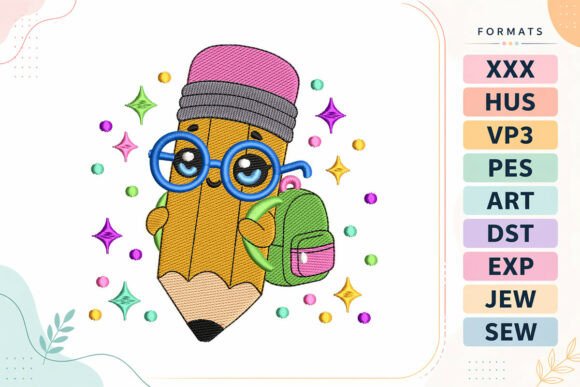
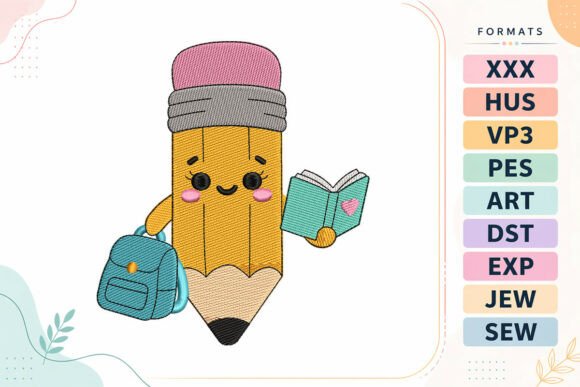
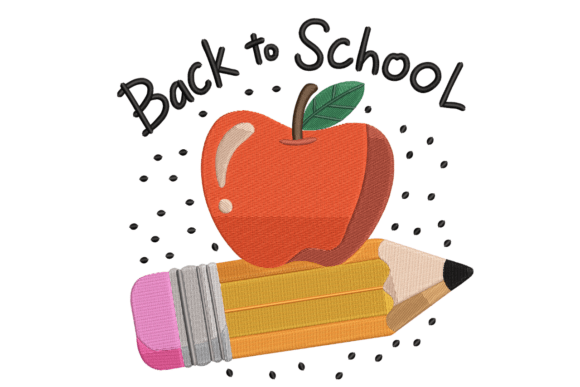
Upon loading the embroidery file into my software, the immediate impression is one of clean, nostalgic charm. The silhouette strikes a balance between playful and polished, avoiding the overly cartoonish aesthetic that can sometimes limit a design's appeal to older students or adult educators. The layout feels intentional; the apple and pencil elements interact rather than simply sitting side-by-side, creating a cohesive focal point that works well as a standalone motif.
For a craft business owner, this visual personality matters. It signals "handmade quality" rather than "mass-produced clipart." The lines appear optimized for stitching, suggesting the digitizer considered pull compensation and fabric distortion. This initial confidence is crucial when you are committing time and materials to a new product line. The design evokes a classic academic warmth that translates beautifully to both vintage-inspired and modern minimalist projects.
Performance on Apparel and Tote Bags
I tested the Back to School Apple Pencil specifically for two high-demand items: cotton canvas tote bags and mid-weight sweatshirts. These represent the bread and butter of back-to-season sales, and the design needs to perform flawlessly on both.
On a structured canvas tote bag design, the motif anchored beautifully. The stitch density provided enough coverage to stand out against the coarse weave without becoming bulletproof or stiff. If this version includes an applique design element for the apple body, it significantly reduces stitch count while adding a tactile, premium feel that customers love. For those using full fill stitches, the texture remained soft enough that the bag didn't lose its drape. This is a critical selling point for shoppers who value functionality alongside aesthetics.
Moving to sweatshirt embroidery, the challenge shifts to managing stretch and pile. Fleece fabrics can swallow fine details, but this design held its integrity. The outline definition remained crisp after hooping and stitching, indicating proper underlay stabilization in the digitizing. I found that positioning the design slightly lower on the chest created a trendy, boutique-style placement that elevates the perceived value of the garment. For custom apparel aimed at teachers or school staff, this level of professional finish builds trust and encourages repeat business.
Navigating Fabric Challenges and Hoop Limitations
While the design shines on stable fabrics, creators must exercise caution with more difficult materials. During my evaluation, I considered how this would translate to baby onesies and performance wear. Baby embroidery requires extreme delicacy; if the Back to School Apple Pencil has a high stitch count or dense satin borders, it may be too rigid for lightweight jersey knits. Always check your specific file stats before committing to infant wear. You may need to use a lighter weight stabilizer or select a simplified version of the design to prevent puckering or irritation.
Similarly, textured fabrics like terry cloth or pique polo shirts demand attention. Deep pile can obscure running stitches or thin lettering. If the design includes small text details within the apple or pencil shape, verify they remain legible on your chosen fabric. In some cases, adding a topping stabilizer is non-negotiable to keep those details visible. For small hoop sizes, ensure the design scales down gracefully. Complex shapes can distort when reduced below 70% of their original size, leading to thread breaks or registration issues. Always respect the minimum size recommendations provided by the digitizer to maintain structural integrity.
Commercial Viability for Makers and Sellers
For the Etsy seller or small shop product developer, time is money. The Back to School Apple Pencil offers strong commercial potential because of its broad demographic appeal. It isn't limited to kindergarten; it works for university merch, teacher appreciation gifts, and even library branding. This versatility allows you to maximize the ROI on a single digital embroidery file.
When creating listings, presentation is everything. I recommend testing the design in both color and monochrome. A tonal white-on-cream version creates a sophisticated, high-end look for neutral nursery decor or subtle teacher accessories, while traditional red and green appeals to the classic back-to-school crowd. Creating a printable mockup or photographing a finished sample on multiple background colors helps buyers visualize the options. This reduces customer hesitation and showcases your expertise as a maker.
Furthermore, consider the licensing. Before listing any finished product for sale, confirm whether your purchase includes commercial rights for physical items versus digital redistribution. Protecting your business means respecting intellectual property while leveraging these design assets to build your own brand identity. A well-executed, legally compliant product fosters long-term customer loyalty and protects your shop from disputes.
Essential Designer Notes for Success
To get the best results from this design, treat your preparation phase as seriously as the stitching itself. Here are my non-negotiable checkpoints based on hands-on testing:
- Test Stitch First: Never run this design directly on a final product without a test. Use scrap fabric that matches your project’s weight and weave to check for registration issues or density problems.
- Verify Thread Colors: Digital previews often use idealized colors. Swap in your actual thread palette in software or on a physical chart to ensure contrast. A dark brown stem might disappear on a navy sweatshirt without adjustment.
- Check Stabilizer Pairing: Match your backing to the fabric, not just the design. Cut-away for stretchy knits, tear-away for stable wovens, and water-soluble toppings for high-pile fabrics are essential for clean results.
- Inspect Small Details: Zoom in on the design in your machine or software. Ensure any internal detailing uses appropriate stitch types. Running stitches should have adequate length to prevent perforation, and satin stitches shouldn't exceed width limits.
- Confirm Licensing Terms: Re-read the designer’s terms regarding commercial embroidery. Clarify if you can use the design for client work, ready-to-wear sales, or personalized gifts before investing in marketing.
- Evaluate Washability: If making items like aprons or tea towels that face frequent laundering, ensure the stitch density can withstand abrasion. Loose floats or overly long satin stitches may snag in the wash.
Final Thoughts on Production Value
The Back to School Apple Pencil is more than just a seasonal graphic; it is a functional tool for makers who understand their market. Its success lies in its adaptability and the thoughtful construction that supports various applications. Whether you are stitching a personalized gift for a favorite educator or building a capsule collection for your online store, this design delivers professional results when paired with proper technique.
Remember that every machine and fabric combination is unique. Your expertise as a crafter comes from understanding these variables and adjusting accordingly. By approaching this design with a critical, practical eye, you transform a simple digital file into a tangible asset that drives engagement, sales, and creative satisfaction. Happy stitching, and may your back-to-school season be both profitable and perfectly stitched.